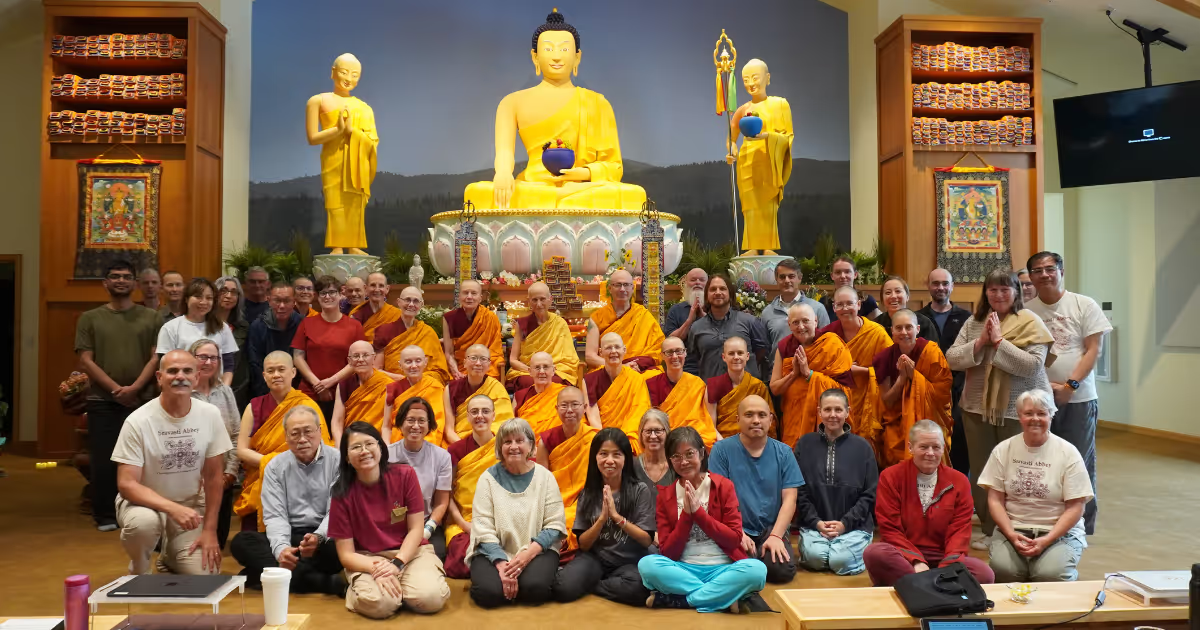
84000 的譯本與資源,屬於所有人。為了更好的利益更多的人,我們翻譯團隊的部分成員已經把 84000 的成果帶進了大學課堂。下面就帶你走進這「四間教室」看一看。
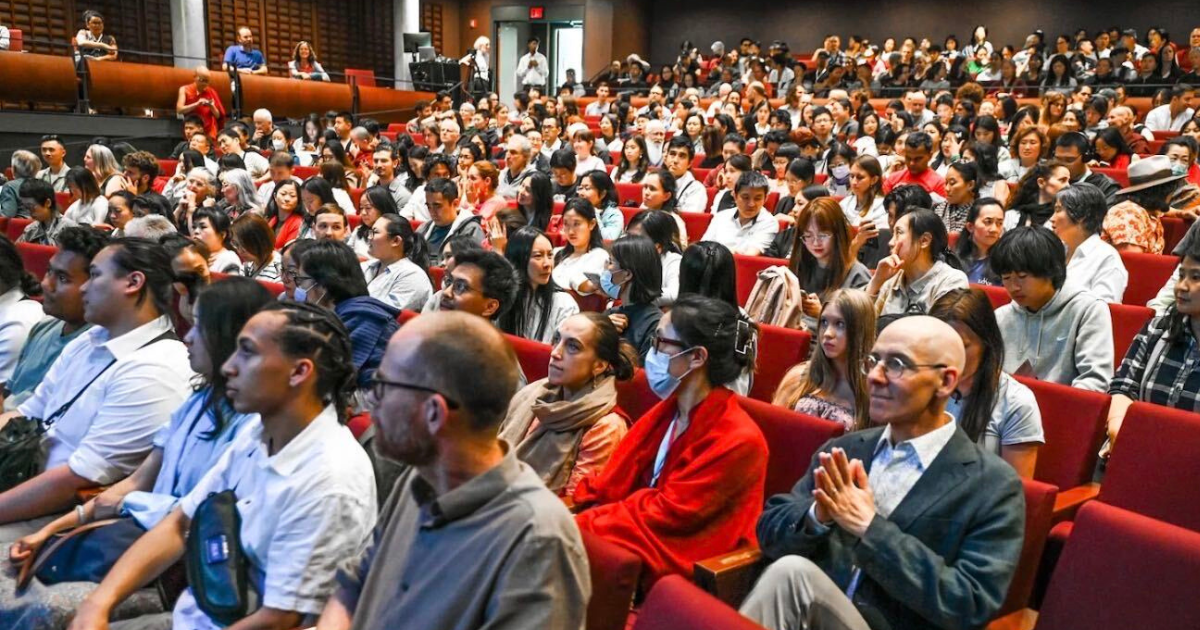
Photo: M. Tiutiunyk / Ho Centre for Buddhist Studies at the University of Toronto. From a lecture held in collaboration with 84000.
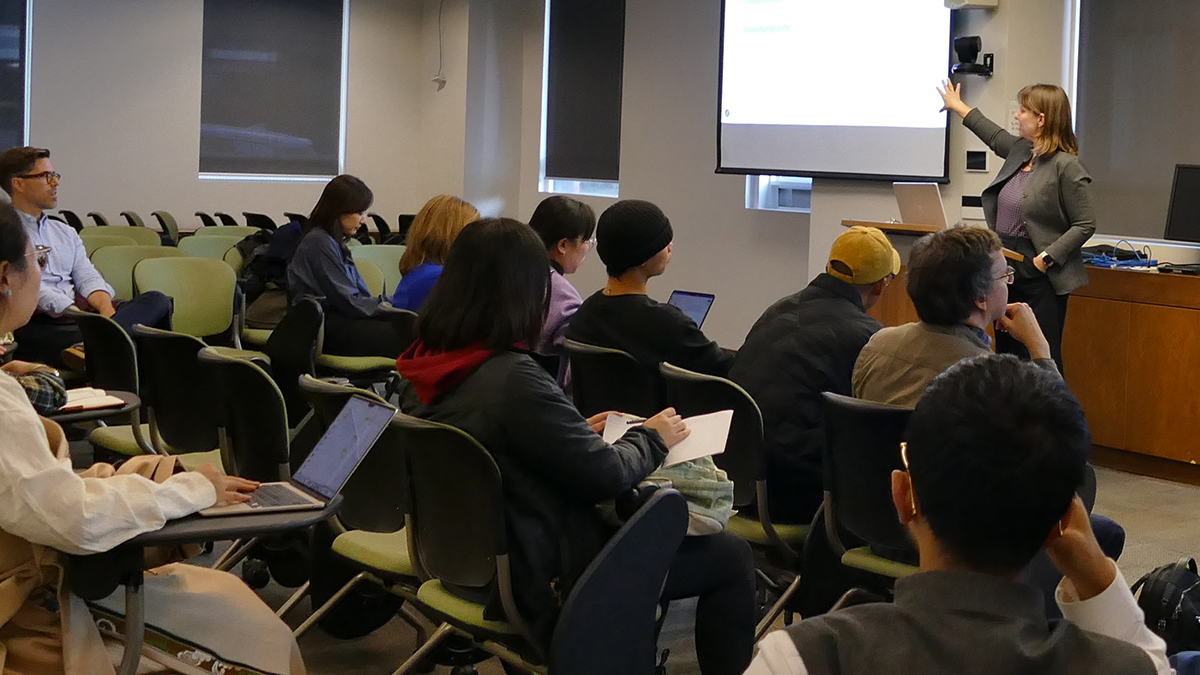
課程: 佛學(Buddhism)
學校: 華盛頓與李大學(Washington and Lee University)
授課教師: 安妮・赫克曼博士(Dr. Annie Heckman)
赫克曼博士在華盛頓與李大學開設佛教概論,各年級的大學部學生都能選修。她依課程進度,讓 84000 的譯本與教科書相互結合:講佛陀生平,讀《方廣大莊嚴經》(Toh 95);講輪迴與業,讀《業之轉變》(Toh 339);講早期教法及其發展,讀《轉法輪經》()與《百業經》(Toh 340);講到空性,讀《心經》;講三身理論,則讀《三身經》(Toh 283)。
讓84000的譯本揭開序幕,是她刻意的安排。這些譯本附有完整的詞彙表,讓她排課綱時省事許多。由於許多學生從沒讀過佛典,因此她認為,先讓他們熟悉「一種可靠的格式」,對入門大有幫助。這幾部英譯本由全班一起讀,還有解說資源可查,因此大家都能讀懂。打好這個底子,「再讀同樣格式的文獻,就不那麼有距離感了;到了學期末,學生已能從容閱讀各種形式出版的佛教典籍。」
她也希望學生知道這些譯本是怎麼來的:一位譯者要經過怎樣的養成,以及贊助又如何讓這些經典傳到世界各地。
赫克曼博士原是視覺藝術家,投入佛典研究之前,教過多年素描、數位藝術與錄像藝術。她上課常借流行文化舉例,幫學生理解佛教義理。2027年冬季學期,她將開設正在籌備中的新課「事實、虛構與電影中的佛教」,終於能和學生一起,從電影的角度重新認識佛教。課程簡介如下:
本課程探討:
(一)佛陀生平如何在文本、藝術作品,以及自電影誕生之初以來的影片中被呈現;(二)佛教思想與傳統在各類型現當代電影(紀錄片、科幻片、浪漫喜劇等)中所扮演的角色。課程將先概覽佛教的教義與修行,作為上述探討的基礎,並特別關注「局內人」與「局外人」對佛教禪修、宇宙觀與形上學的不同描繪。
這門課的構想,來自她的資深同事、新約學者亞歷山德拉・R・布朗博士(Dr. Alexandra R. Brown)開設的「文學與電影中的耶穌生平」。在系主任傑佛瑞・科斯基博士(Dr. Jeffrey Kosky)的啟發與支持下,赫克曼博士很高興能和其他學者一起開拓新課,带领学生研讀84000的英譯佛典,
課程: 佛教心性哲學(Buddhist Philosophy of Mind)
學校: 威斯康辛大學麥迪遜分校哲學系
授課教師: 傑瑞米・曼海姆博士(Dr. Jeremy Manheim)
曼海姆博士在威斯康辛大學哲學系教授佛教哲學,將 84000 的譯典、佛教哲學的論證,以及倫理、人格與意識研究等當代議題交織在一起。去年春季,他開設了一門佛教哲學入門課,以「專注與分心」為核心,而這個問題可以追溯到佛教最古老的關懷之一:我們為什麼會受苦?
學生從《轉法輪經》(Toh 337)讀起,先思考苦的本質,再轉向苦的可能成因:對自我的執著、能取與所取的二元對立、概念分別,或其他種種謬誤。在此基礎上,課程結合84000英譯本的細讀與嚴謹的論證,探究專注既是心本具的一部分,也是修行不可或缺的要素。學生藉由對專注的分析,更清楚地覺察到它的反面──分心,並追問分心在我們生活中扮演的角色:分心是否正是我們受苦的原因之一?帶著這些問題,學生研讀《解深密經》(Toh 106)及其他英譯本,找回專注的方法。
今年秋季,曼海姆博士將開設新的專題研討課「佛教心靈哲學」,帶領學生運用佛教的因明與量論,探索並重新檢視何謂真正的智慧。當人工智慧在某些關鍵任務上已超越人類智能,學生要面對的問題是:人類的心智是否也具備一種截然不同的智慧?整個學期中,學生將循序漸進地思考佛教哲學的幾個核心問題:意識是什麼?它是單一整體,還是由不同要素聚合而成?我們能否擁有沒有對象的經驗?最後,這樣的非二元經驗,能否為我們帶來智慧?除了在課堂上共讀《臨終智經》(Toh 122)及其他幾部 84000 譯本,學生也將在整個學期中自行探索「雲端藏經閣」,發掘新的教法,並把新的問題帶回課堂。
課程: 藏傳佛教大藏經(Tibetan Buddhist Canons)
學校: 多倫多大學
授課教師: 羅里・林賽博士(Dr. Rory Lindsay)
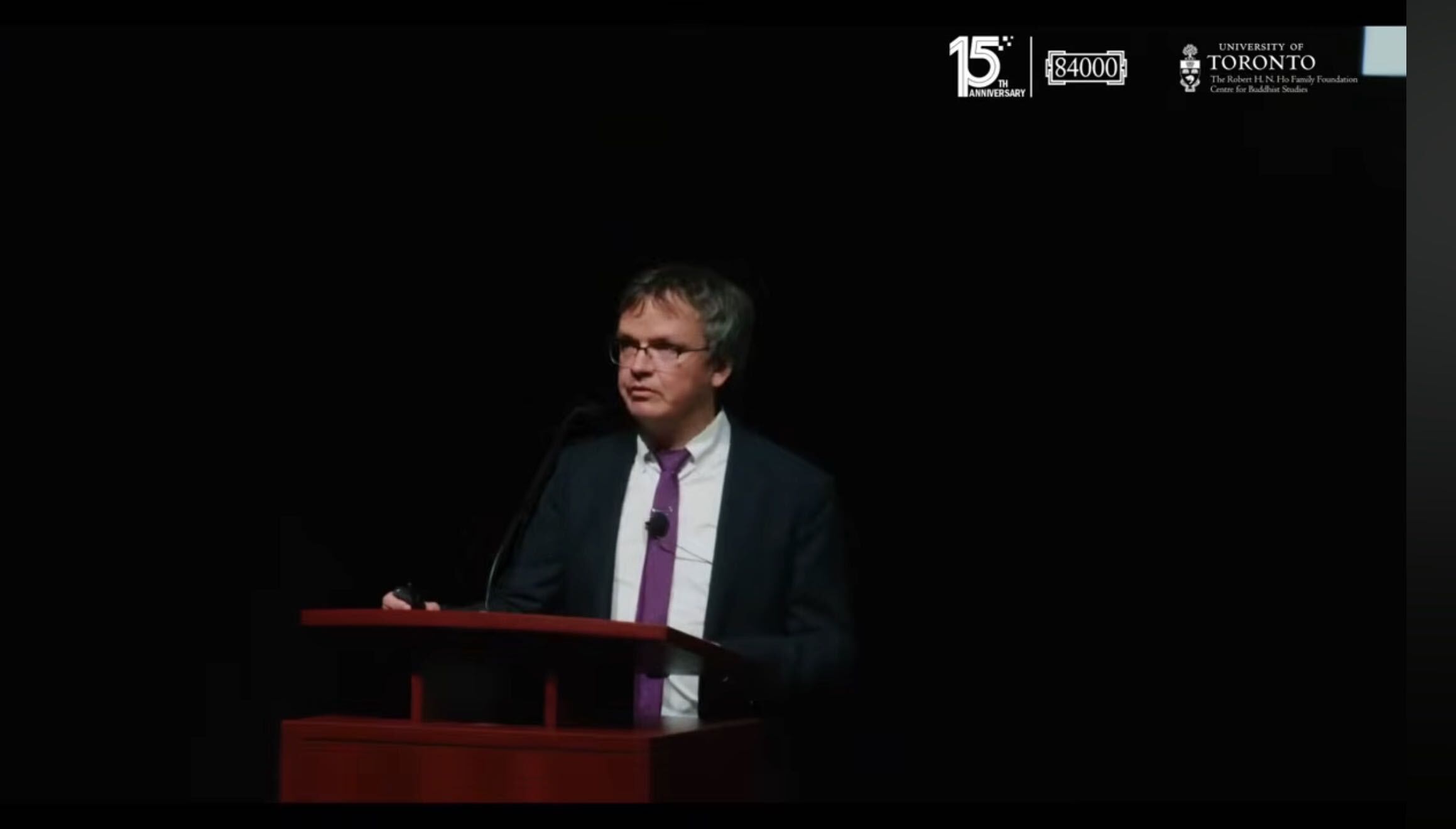
Dr. Rory Lindsay taught a seminar on Tibetan Buddhist canons for a mix of graduate students and senior-level undergraduates at the University of Toronto. Each student chose one 84000 publication, gave a class presentation on it, and wrote a paper about it. The range was wide, from The Heart of the Perfection of Wisdom, the Blessed Mother and The Teaching of Vimalakīrti to The Rice Seedling, The Sūtra of the Sublime Golden Light, and The Uṣṇīṣavijayā Dhāraṇī. Before class discussions, everyone read the introductions to these works and looked for passages they found interesting.
Students relied almost exclusively on 84000’s Reading Room. They started with the introduction to their chosen text, then read it and consulted the notes and glossary, which allowed them to immerse themselves in a canonical text without leaving their dorms. They told Dr. Lindsay they loved having everything they needed in one place online.
One student told him that reading these texts every week made them feel less anxious throughout the semester, giving them a broader perspective and a reason to focus more on helping others and less on themselves.
Next semester, Dr. Lindsay will co-teach the Buddhist Studies Gateway Seminar for graduate students at the University of Toronto with Professor Frances Garrett, and at least one session will focus on 84000's work.
Class: Translation Workshop
Institution: Rangjung Yeshe Institute
Taught by: Dr. Catherine Dalton
Dr. Catherine Dalton teaches Translation Workshop, a course in RYI's MA program in Translation, Textual Interpretation, and Philology, a two-year graduate program that trains students to translate Buddhist texts and undertake original translation research. All of her students are MA candidates in that program. Dr. Dalton assigns 84000's Text Critical Guidelines for Translators, which walk translators through the textual and historical issues behind a Kangyur or Tengyur work, alongside a short 84000 translation from whatever genre the class happens to be reading, to give students a sense of one way to translate, introduce, and annotate a canonical text. She also always reads an as-yet-unpublished Kangyur text with them in Tibetan. In class, students bring their own translations for critique from Dr. Dalton and their classmates, working through questions of accuracy, clarity, and readability, while the class also selects and translates a text together, discussing its history and place in the broader tradition.
For students training to translate, seeing how a finished translation project makes its choices matters. "They had access to see how we have chosen to study and present these texts in this project," Dr. Dalton says, "which provides an example of one way to do this."
Whether you're a student, a professor, an aspiring translator, or simply curious, these resources are yours to explore. The Reading Room is 84000's open library: Hundreds of texts spanning the Tibetan Buddhist canon, organized by the categories that have structured the tradition for centuries, free to browse by section, search by topic, or simply wander. For deeper study, the Scholar's Room offers tools for close research: multilingual views in Tibetan, Sanskrit, and English; side-by-side translation comparisons; a glossary service; and full-text search across the canon. Both are free and open to anyone, anywhere.