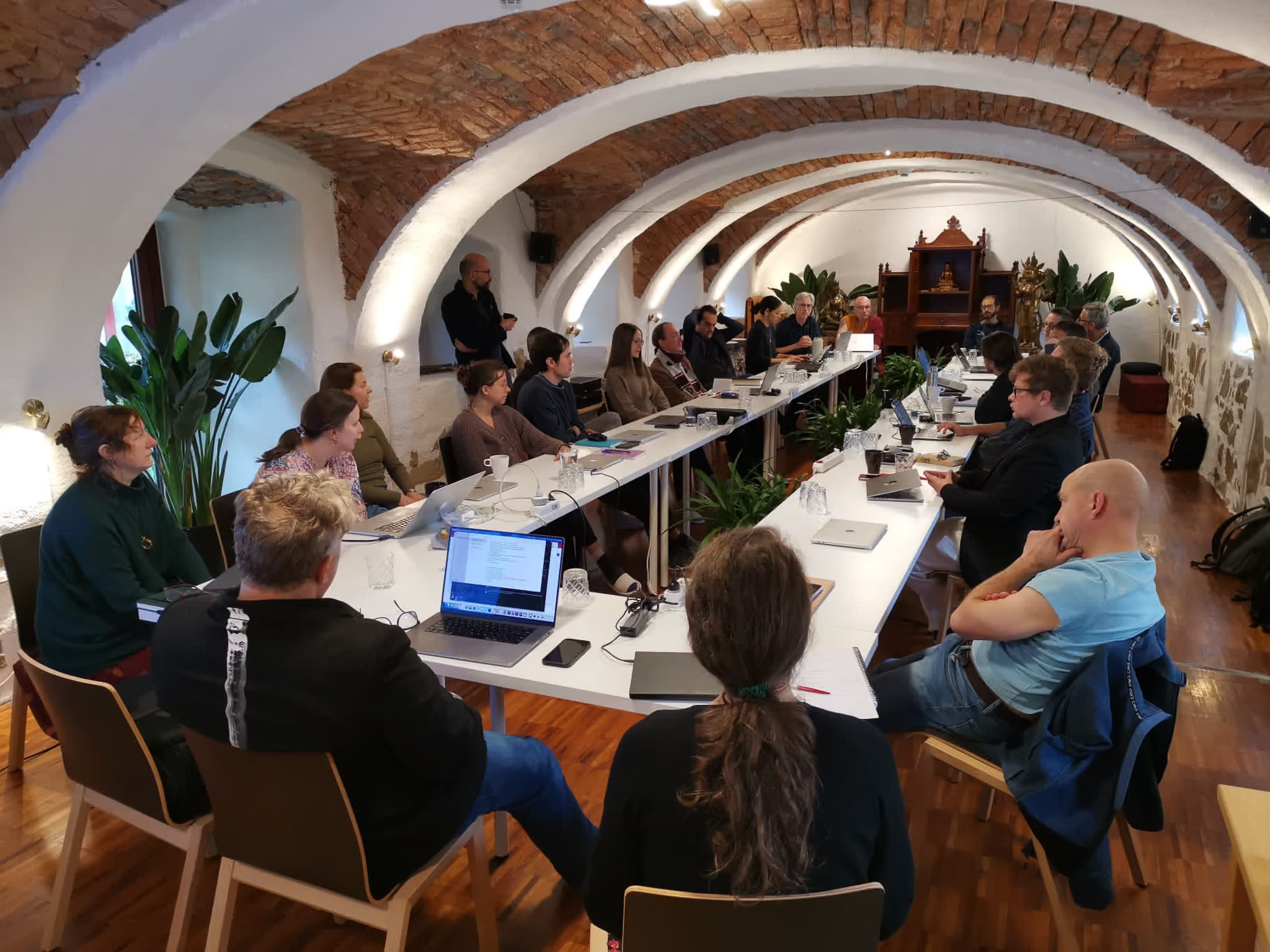
Drawing on the expertise of scholars and practitioners around the world, 84000 is a collaborative effort to translate the Kangyur and Tengyur into English. To date, we have awarded over 165 grants—totaling more than US $8.5 million—to over 60 translation groups around the world.
Our grants enable suitably experienced translators to research and produce a translation of a designated text, along with an introduction, glossary, and notes, that would be submitted for editorial review. 84000 grant holders receive project-specific support from our experienced editorial team throughout the grant period.
To translate the remaining texts of the Kangyur, now almost all from the Tantra and Dhāraṇī sections, we are currently looking for experienced translators with specialized knowledge of the genres concerned.
.jpeg)
As a project that strives to translate the entire Tibetan Buddhist canon for the general educated reader, maintaining the quality and readability of translation is non-negotiable. While we strive to maintain the highest academic standards in our research, methodology, and accuracy, we also try to draft our English publications so they are accessible to the educated general reader. And where possible, translators are encouraged to fulfill requirements in keeping with Buddhist traditions, such as receiving empowerments and transmissions. We believe these to be important aspects in ensuring the continuation of a 2500-year living tradition.
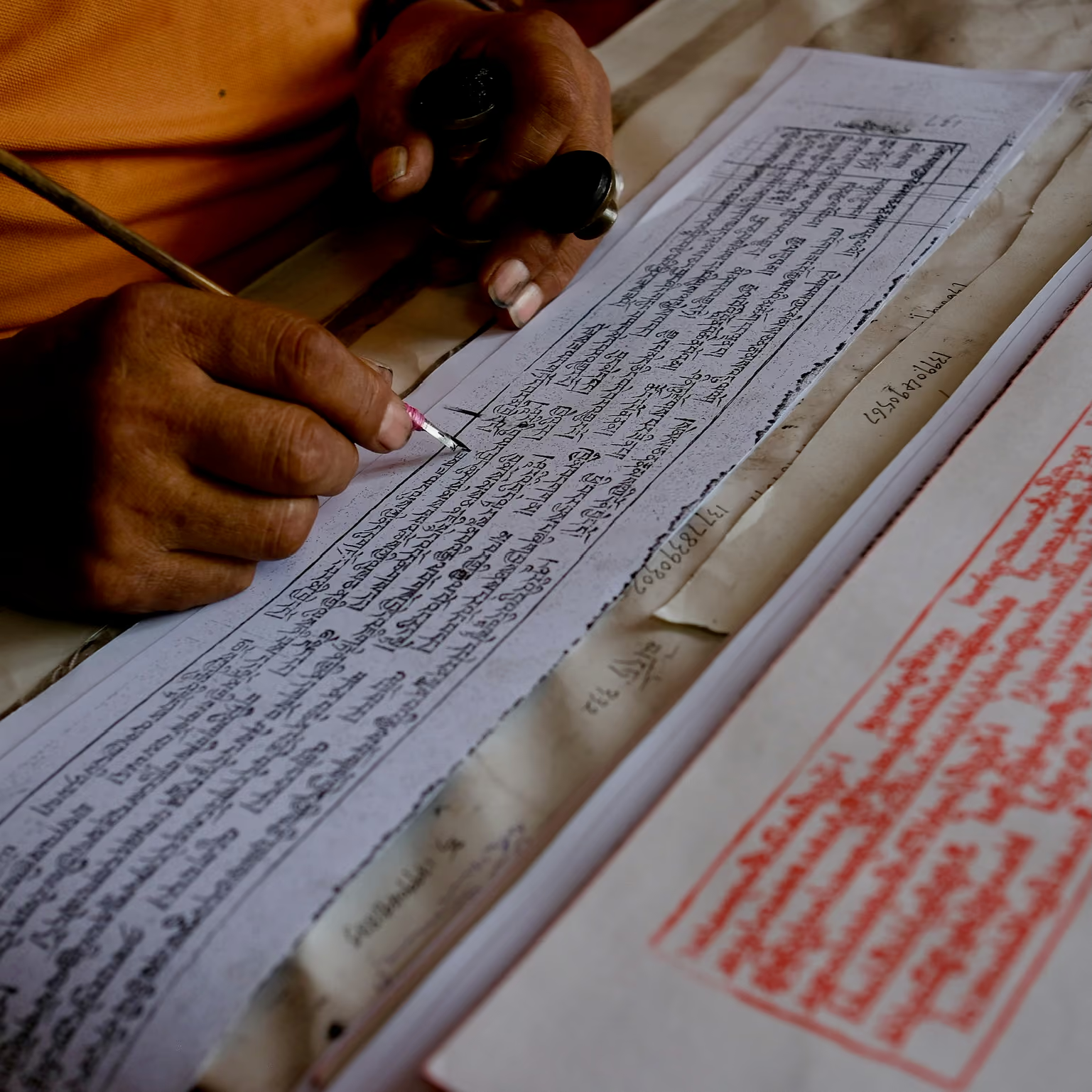
We appreciate every application submitted by translation teams around the world. Though successful applications will be supported by an award of grant and nurtured by our editorial team, 84000 is also committed to encouraging and empowering interested and promising translators.

The Tibetan Buddhist canon is a crucial collection for both the preservation of a living tradition, and for the continued academic study of Buddhism. We strive to equally value and balance the perspectives of three key stakeholder groups: the Indo-Himalayan Dharma teachers, the international scholarly community, and the practitioners and devotees of the Buddhadharma.
In order to ensure the integrity of the project, we make every effort to maximize the strengths of each group, seeking out complementary modes of partnership with the aim to produce excellent translations for our target readership.
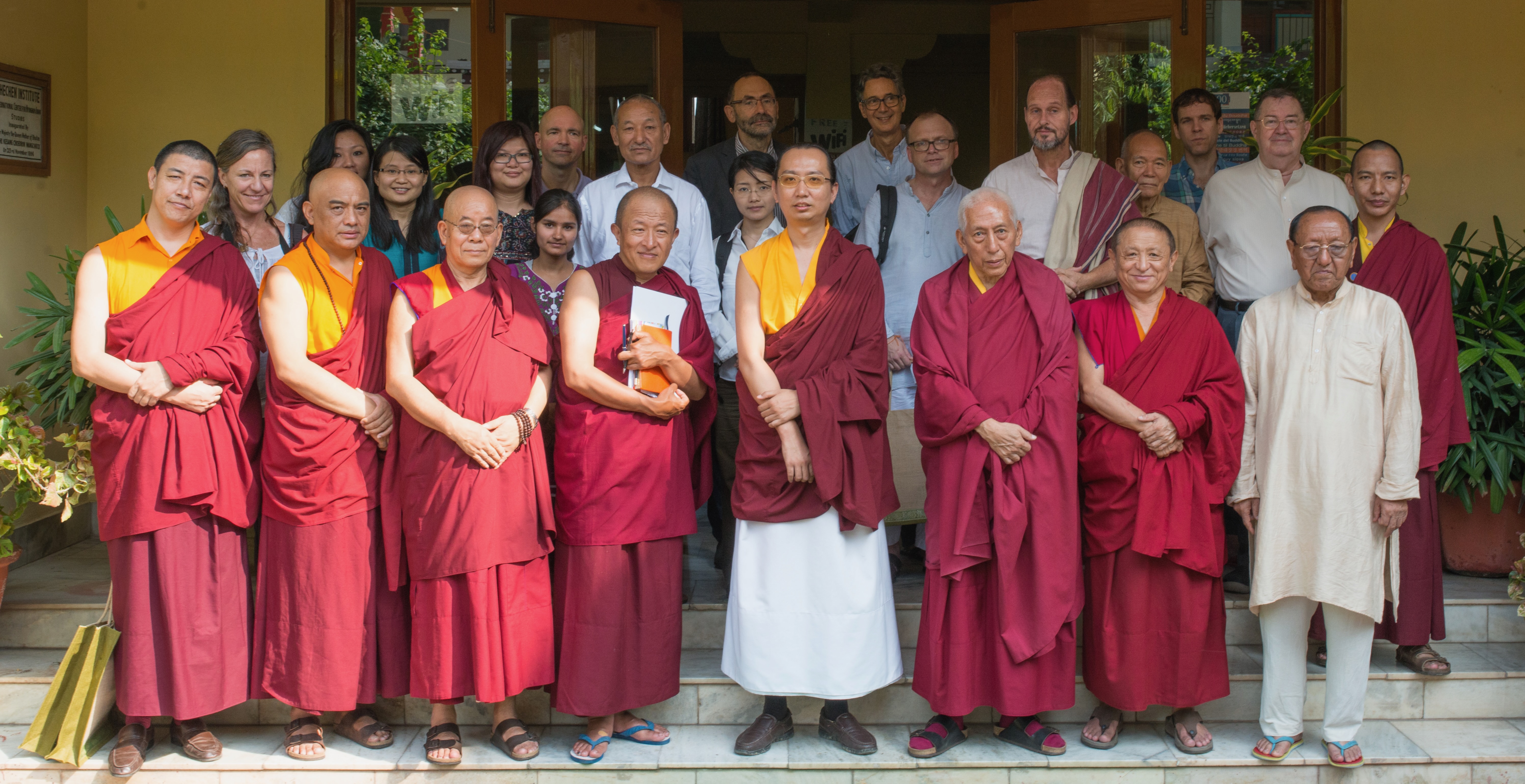
While we seek to translate and make freely available the Tibetan Buddhist canon within one hundred years, we consider 84000 to be a project that will continue indefinitely.
By acknowledging that both language and understanding are continually evolving, we appreciate that our translations will need to be amended, improved, and edited as time goes by. In preserving the words of the Buddha to facilitate scholarship and the practice of Buddhism by all future generations, there is no “rubber stamp” and no finishing line.